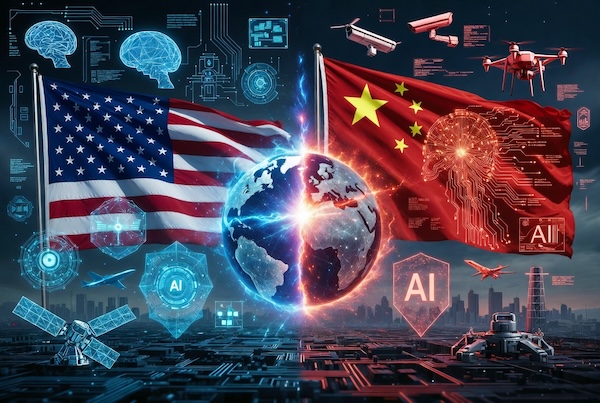
And It’s Arming Our Enemies on the Cheap.
The United States Patent and Trademark Office was supposed to protect American ingenuity. Instead, it’s become a leaky sieve where foreign thieves—especially from Communist China—shop for tomorrow’s battlefield advantages while our companies foot the bill for the R&D. This isn’t accidental. It’s systematic economic warfare that hands our competitors free technology, guts American innovation incentives, and hands national security secrets to adversaries who want to bury us. President Trump and the America First team understand the stakes. The old globalist shrug-and-hope approach left us vulnerable. Time to lock it down.
The Scale of the Heist: Hundreds of Billions Down the Drain
China leads the pack in stealing American intellectual property. Estimates put the annual cost between $225 billion and $600 billion, with some years hitting the high end when you factor in lost market share, jobs, and follow-on innovation. That’s real money ripped from American workers and companies. The FBI reports that about 80 percent of economic espionage prosecutions tie back to China. Trade secret theft, cyber intrusions, forced technology transfers, and good old-fashioned reverse engineering of patented inventions form the toolkit.
They don’t just copy consumer gadgets. They’re targeting semiconductors, aerospace, biotech, AI, quantum computing, and defense-related tech. A single operation can exfiltrate data worth trillions in long-term value. Chinese entities file suspiciously similar patents shortly after American breakthroughs hit the public record. The USPTO’s public disclosure requirement—meant to reward inventors—now serves as a catalog for smart adversaries.
How the USPTO Became Shopping Mall Central
The system requires detailed public filings so others can build on ideas after the patent expires. In theory, that’s fair. In practice, with China, it hands blueprints to a rival that doesn’t respect the rules. Cyber actors linked to the regime raid networks, insiders get recruited or coerced, and joint ventures in China often demand technology handovers as the price of market access.
Recent cases show the Patent Trial and Appeal Board sometimes invalidating U.S. patents in ways that benefit Chinese firms, even after policy shifts. Mass suspicious filings, fake signatures, and micro-entity fee scams clog the system, wasting examiner time and creating noise that hides bigger thefts. The office has formed working groups to fight fraud, but the core problem remains: once the cat’s out of the bag in a public database, enforcement across borders is a nightmare.
American tech companies play by the rules, spend the billions on research, then watch knockoffs flood markets at cut-rate prices. That puts legitimate innovators behind the eight-ball—higher costs, eroded profits, less money for the next breakthrough. Competitors get the advantage without the sweat or risk.
National Security Nightmare: Arming the Adversary
This isn’t just about lost profits. It’s about survival. Stolen tech flows straight into military modernization. Drones, missiles, radar-evading systems, secure communications—adversaries close capability gaps that American blood and treasure built. The Defense Department warns that lost technological edges mean more risk to warfighters when deterrence fails.
Economic security is national security. When U.S. firms lose market dominance in critical sectors like chips or advanced manufacturing, supply chains become weapons. Dependence on potentially hostile suppliers creates leverage against us in a crisis. Families feel it through higher costs and lost jobs. The average American household takes a multi-thousand-dollar hit from this theft every year when you spread the damage.
China’s system encourages it. Their political structure rewards acquisition over risky original innovation. Why spend decades and billions developing something when you can steal it, produce it cheaper with subsidies, and dominate the market? This isn’t fair competition. It’s predation backed by a totalitarian state.
The America First Fix Starts Now
Past administrations talked tough and delivered little. Trump-era pressure, tariffs, export controls, and scrutiny on investments showed results before the bureaucrats watered them down. Rebuilding requires tighter export controls on sensitive tech, rigorous CFIUS reviews, aggressive prosecution of spies, and reforms at the USPTO to limit abuse while protecting real inventors.
Companies must harden up too—no more naive joint ventures that hand over the crown jewels. Secure supply chains, bring critical production home, and stop treating China like a normal trading partner.
The voters who put Trump back in the White House rejected the weakness that let this theft flourish. American technology built the modern world. We won’t let it become the arsenal of our enemies. Shutting down the patent shopping mall for thieves isn’t protectionism. It’s basic self-defense in a dangerous world. The future of American power—economic and military—depends on ending this giveaway before the damage becomes permanent.